How Black Mold Can Aggravate Asthma and Allergies in Vista
Black mold, particularly Stachybotrys chartarum, thrives in Vista’s humid coastal climate and can severely worsen asthma and allergies. Our team explains how mold spores and mycotoxins trigger respiratory issues and what homeowners can do to address the problem safely and effectively.
Why Black Mold Is a Serious Health Concern
Stachybotrys, commonly called black mold, releases mycotoxins that irritate airways and suppress immune responses. For those with asthma or allergies, exposure can lead to chronic coughing, wheezing, and sinusitis.
Unlike common household molds, black mold often grows in hidden, damp areas like crawl spaces or behind drywall. Its presence isn’t always visible, but its effects on indoor air quality are immediate and harmful.
How Mold Spores Trigger Asthma and Allergies
Mold spores are microscopic and easily inhaled, lodging in the lungs and nasal passages. In sensitive individuals, this triggers inflammation, mucus production, and bronchoconstriction—key symptoms of asthma attacks.
Allergic reactions to mold can mimic hay fever: sneezing, itchy eyes, and skin rashes. In Vista’s mild winters, poor ventilation and lingering moisture from rain can amplify these issues year-round.
Children, the elderly, and those with pre-existing respiratory conditions are most vulnerable to black mold exposure, which can lead to long-term health damage.
Where Black Mold Hides in Vista Homes
Our coastal humidity and occasional water intrusion create ideal conditions for black mold. Common hotspots include basements, crawl spaces, attics, and areas around leaky pipes or windows.
In neighborhoods near the San Luis Rey River or older homes in downtown Vista, poor drainage and aging plumbing often lead to undetected moisture buildup. Even newer homes in Carlsbad or San Marcos aren’t immune if humidity isn’t controlled.
Black Mold vs. Other Common Household Molds
Not all mold is black mold, but distinguishing them requires professional testing. While Cladosporium or Penicillium may cause allergies, Stachybotrys is far more toxic and requires urgent remediation.
| Mold Type | Color | Health Risks | Common Locations |
|---|---|---|---|
| Stachybotrys (Black Mold) | Black/Greenish-Black | Severe respiratory issues, mycotoxin poisoning | Damp drywall, crawl spaces, attics |
| Cladosporium | Black/Green/Brown | Mild to moderate allergies, asthma triggers | Bathrooms, kitchens, carpets |
| Penicillium | Blue/Green | Allergies, sinusitis, lung inflammation | Water-damaged furniture, insulation |
| Aspergillus | Yellow/Green/Black | Allergies, lung infections (in immunocompromised) | HVAC systems, basements |
Signs Your Home May Have a Black Mold Problem
Musty odors are a red flag—even if you can’t see mold. Persistent smells often indicate hidden growth in walls, under flooring, or in ductwork.
Other signs include water stains, peeling paint, or warped wood. If family members experience unexplained respiratory symptoms that improve when away from home, black mold could be the culprit.
Red Flags for Black Mold
- Unexplained musty odors, especially after rain
- Visible dark spots or streaks on walls/ceilings
- Increased allergy or asthma symptoms indoors
- History of water leaks or flooding
- High humidity levels (above 60%)
The Role of Professional Mold Testing and Inspection
DIY mold test kits often provide incomplete or misleading results. Our team uses air quality testing, surface sampling, and thermal imaging to locate hidden mold and assess spore counts accurately.
In Vista, Oceanside, and Escondido, we frequently find mold in less obvious areas like behind baseboards or inside HVAC systems. A thorough inspection is the only way to confirm the type and extent of contamination.
Schedule a professional mold inspection if you notice any signs of mold, experience unexplained health symptoms, or after any water damage event—even if it seems minor.
How Mold Remediation Protects Your Health
Remediation isn’t just about removing visible mold. Our process includes containment to prevent spore spread, HEPA filtration to clean the air, and treating affected areas with antimicrobial solutions.
We also address the root cause—whether it’s a leaky roof, poor ventilation, or high humidity—to prevent recurrence. In crawl spaces, encapsulation and dehumidifiers are often necessary for long-term control.
Preventing Black Mold in Vista’s Climate
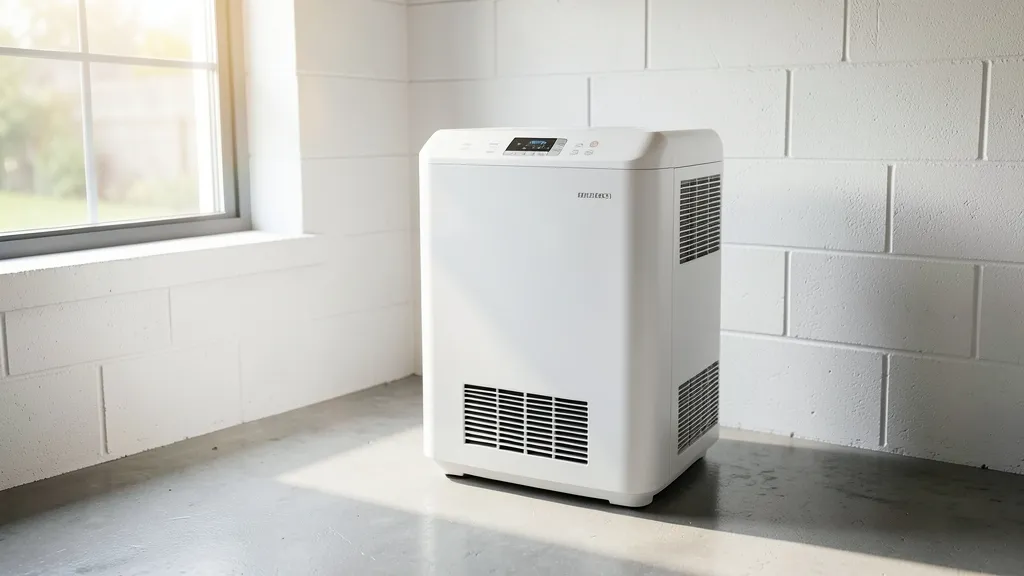
Controlling moisture is key. Use dehumidifiers in basements and crawl spaces, ensure proper ventilation in bathrooms and kitchens, and fix leaks promptly.
Regularly inspect areas prone to dampness, especially after heavy rains common in North County. For attics and crawl spaces, consider professional moisture barriers and vapor retarders.
How to Reduce Mold Exposure at Home
Take these steps to minimize mold spores and protect your respiratory health while waiting for professional remediation.
- 1Improve Ventilation
Use exhaust fans in bathrooms and kitchens, and open windows when weather permits to reduce humidity and disperse spores.
- 2Use Air Purifiers
HEPA air purifiers can capture mold spores from the air. Place them in bedrooms and living areas for best results.
- 3Clean and Dry Water Damage Immediately
Any water intrusion—from leaks to spills—must be dried within 24-48 hours to prevent mold growth. Use fans and dehumidifiers to speed up the process.
- 4Remove Moldy Items Safely
Porous materials like carpet, drywall, or ceiling tiles with mold should be removed and replaced. Wear gloves and a mask to avoid inhaling spores.
- 5Monitor Humidity Levels
Invest in a hygrometer to track indoor humidity. Keep levels below 60% and use dehumidifiers in damp areas like basements or crawl spaces.
Frequently Asked Questions
Can black mold cause permanent lung damage?
Prolonged exposure to black mold, especially in individuals with pre-existing conditions, can lead to chronic respiratory issues. Early remediation reduces this risk significantly. If symptoms persist, consult a healthcare provider.
How do I know if my asthma is caused by mold?
If your asthma symptoms worsen at home but improve when you’re away, mold could be the trigger. Professional mold testing and air quality assessments can confirm the presence of mold spores in your environment.
Is black mold more common in older Vista homes?
Older homes, especially those with poor ventilation or past water damage, are more susceptible. However, newer homes in areas like Carlsbad or San Marcos can also develop mold if moisture isn’t controlled.
What’s the difference between mold removal and remediation?
Mold removal often refers to cleaning visible mold, while remediation addresses the root cause and ensures spores are contained and prevented from returning. True remediation includes moisture control and air purification.
Can I stay in my home during mold remediation?
It depends on the extent of contamination. For large infestations, especially black mold, temporary relocation is recommended to avoid exposure to disturbed spores. Our team will advise based on the situation.
Does homeowners insurance cover black mold remediation in Vista?
Coverage varies by policy and the cause of the mold. If mold results from a covered water damage event, some costs may be included. Always check with your insurer and request a quote from us for remediation.