Basement Mold in Vista: How Inspections Differ for Below-Grade Spaces
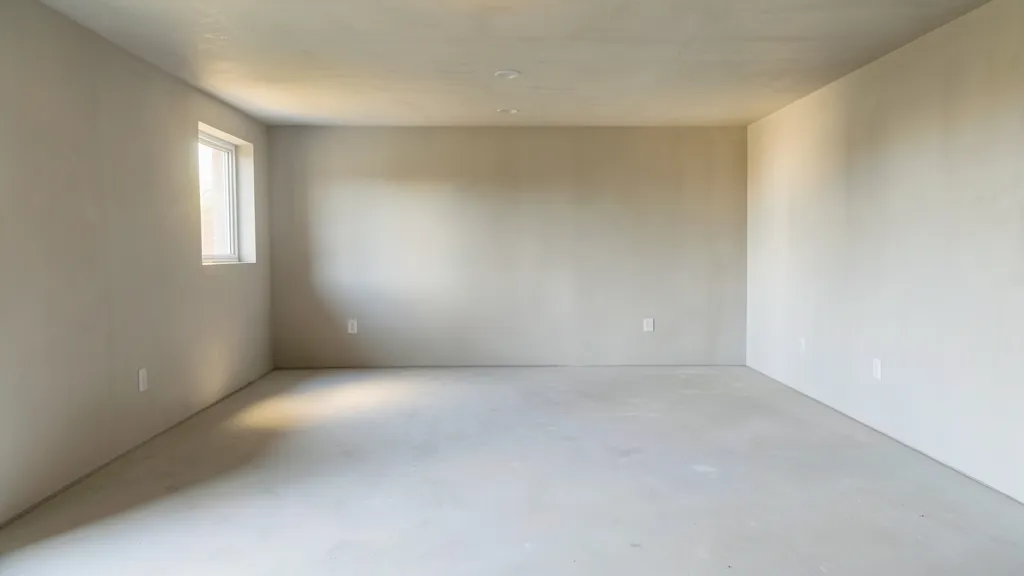
Basements in Vista’s coastal climate are prime targets for mold growth due to high humidity and poor drainage. Unlike attics or living spaces, below-grade areas demand a specialized inspection approach to uncover hidden moisture and spores.
Why Basements in Vista Are High-Risk for Mold
Vista’s proximity to the coast means basements often face elevated humidity, especially during the marine layer season. Concrete walls and floors are porous, allowing moisture to seep in and create ideal conditions for mold colonies.
Poor grading or outdated drainage systems around older homes in neighborhoods like Shadowridge or Buena Creek can exacerbate water intrusion. Even minor leaks or condensation from HVAC systems can go unnoticed until mold spreads.
How Below-Grade Mold Inspections Differ
Standard mold inspections focus on visible growth and surface moisture. For basements, we prioritize subsurface moisture mapping using thermal imaging and moisture meters to detect hidden saturation in concrete or behind finishes.
Air quality testing is critical in below-grade spaces, where stale air traps spores. We often deploy spore traps and relative humidity sensors to assess both active growth and dormant risks.
Missing or damaged vapor barriers in Vista basements are a leading cause of chronic moisture issues. Without them, ground moisture wicks into walls, feeding mold long-term.
Key Tools for Basement Mold Detection
Thermal imaging cameras reveal temperature differences that indicate moisture behind walls or under flooring. This is non-invasive and essential for finished basements where visual clues are absent.
Borescope inspections allow us to examine wall cavities or ductwork without demolition. Moisture meters with deep probes measure saturation levels in concrete, which often exceed 20% in problem areas.
Air sampling pumps collect spores for lab analysis, identifying species like Aspergillus or Stachybotrys that thrive in damp, dark environments. This data guides remediation priorities.
| Tool | Basement Use Case | Above-Grade Use Case |
|---|---|---|
| Thermal Imaging | Detects moisture behind finishes, in concrete | Identifies leaks in roofs/walls |
| Moisture Meter (Deep Probe) | Measures saturation in concrete slabs | Checks drywall or wood framing |
| Borescope | Inspects wall cavities, ductwork | Examines attic or crawl space voids |
| Air Sampling Pump | Tests for trapped spores in stale air | Assesses general indoor air quality |
Common Basement Mold Hotspots in Local Homes
Sump pump basins often harbor mold if not properly sealed or maintained. Standing water or organic debris in the pit creates a breeding ground for spores.
Rim joists and wooden framing in contact with concrete are vulnerable. Without proper capillary breaks, moisture wicks into wood, leading to rot and mold. This is frequent in older Vista homes with unfinished basements.
Storage areas with cardboard boxes or fabric items provide food sources for mold. Poor airflow in these corners accelerates growth, especially near exterior walls where condensation forms.
Signs You Need a Professional Basement Mold Inspection
Musty odors are the most obvious red flag, but they often appear only after mold is widespread. If you notice a persistent earthy smell, especially after rain, it’s time for an assessment.
Peeling paint or efflorescence (white mineral deposits) on walls signal moisture intrusion. These are common in basements with inadequate waterproofing or drainage.
Unexplained allergies or respiratory issues when spending time in the basement may indicate elevated spore levels. Mold can trigger symptoms even if it’s not visible.
When to Call for an Inspection
- Visible mold growth on walls, floors, or belongings
- Recent water intrusion (e.g., flooding, leaks)
- High humidity readings (above 60%) persistently
- Plans to finish or renovate the basement
- Pre-purchase home inspection for older properties
How Basement Mold Spreads to Other Areas
Mold in basements doesn’t stay confined. HVAC systems can distribute spores to living spaces, especially if return vents are located in the basement. This is a common issue in split-level homes in Oceanside and Carlsbad as well.
Shared wall cavities between basements and ground-floor rooms allow moisture and spores to migrate upward. We’ve seen cases in San Marcos where basement mold led to contamination in adjacent garages or laundry rooms.
Crawl spaces connected to basements can cross-contaminate. If your Vista home has a hybrid below-grade design, moisture from one area can feed mold in the other.
Sealing gaps around pipes, ducts, and electrical penetrations can slow mold’s spread. Use mold-resistant materials like Xypex or closed-cell foam in renovations.
Preventing Basement Mold: Vista-Specific Strategies
Exterior grading should slope away from the foundation at least 6 inches over 10 feet. Many Vista homes, especially in hillside areas, have improper grading that directs water toward basements.
Installing a French drain or improving gutter downspout extensions can redirect water away from the foundation. This is particularly effective in neighborhoods with clay soil, like parts of Escondido, where drainage is slow.
Dehumidifiers with automatic pumps are essential in below-grade spaces. Aim for 50-55% relative humidity. Units with built-in hygrostats take the guesswork out of maintenance.
What to Expect During a Professional Inspection
Our team starts with a visual assessment, noting any signs of water damage, staining, or mold growth. We pay special attention to corners, behind stored items, and near mechanical systems.
Next, we use moisture detection tools to map problem areas. This includes checking for condensation on pipes, testing the RH of the air, and probing concrete for saturation.
Air and surface samples are collected for lab analysis if mold is suspected but not visible. Results typically take 24-48 hours and identify both the type and concentration of mold present.
How to Prepare for a Basement Mold Inspection
A little prep ensures a thorough and efficient assessment.
- 1Clear the Space
Move stored items away from walls and corners to allow access to potential hotspots. This includes boxes, furniture, and holiday decorations.
- 2Note Problem Areas
Make a list of any past water issues, musty odors, or visible mold. Share this with the inspector to streamline the process.
- 3Check for Active Leaks
If you have active leaks or standing water, address these first or note their location. Inspectors can’t work safely in flooded areas.
- 4Provide Access
Ensure the inspector can reach all areas, including sump pumps, HVAC systems, and crawl spaces if connected to the basement.
- 5Plan for Pets
Keep pets out of the basement during the inspection. Some tools, like thermal cameras, can startle animals.
Frequently Asked Questions
How often should I inspect my Vista basement for mold?
We recommend a professional inspection every 1-2 years, or immediately after any water intrusion event. Homes in low-lying areas or with poor drainage may need more frequent checks.
Can I test for basement mold myself?
DIY test kits can detect mold, but they lack the precision of professional tools and lab analysis. They also don’t identify the source of moisture, which is critical for remediation.
Is basement mold more dangerous than mold in other areas?
Basement mold can be more hazardous because below-grade spaces often have poorer ventilation, allowing spores to concentrate. Additionally, some species like black mold thrive in these conditions and can pose serious health risks.
What’s the difference between mold testing and mold inspection?
Mold testing involves collecting samples to identify types and concentrations of mold. An inspection is a broader assessment that includes visual checks, moisture mapping, and often testing. For basements, both are usually needed.
Does homeowners insurance cover basement mold remediation in Vista?
Coverage varies by policy and the cause of the mold. Sudden water damage (e.g., a burst pipe) is more likely to be covered than long-term moisture issues. Always review your policy and request a quote for remediation costs.
Can basement mold affect my home’s value?
Yes. Undisclosed or untreated mold can reduce your home’s value and deter buyers. Proactive inspections and remediation, especially in high-risk areas like basements, can protect your investment.